





Why you need ROI and how to measure it
Even if you're far from analytics, you've probably heard of ROI. Without tracking this indicator, the chance of losing money on an unsuccessful advertising campaign or investing in an obviously unprofitable startup increases many times over. With the help of ROI you can evaluate the profitability of any monetary investment and understand how effective your strategy is.
And now in simple words: what is ROI?
ROI or Return On Investment is a measure of return on investment. For example, you invested a certain amount of money in advertising and production of your product. After a month, you evaluate the level of profit received. By calculating the ROI, you can see the return on your investment. For example, if the ROI is 600%, for every hryvnia invested, you earned 6. The classic formula for calculating ROI looks like this:
ROI = (Return on investment - size of investment) / Size of investment * 100%
From the income we subtract the expenses and get the net profit, i.e. the money we actually earned. The ratio of profit to investment shows how many times what we earned is more than what we invested. For convenience, the indicator is measured in per cent.
Examples of ROI calculation
Let's say you launched a Google Ads campaign with a holiday offer. In a fortnight, you sold 32 product items, which in total brought you UAH 52,152. The total cost of the advertising campaign and production, including salaries of specialists and traffic purchase, for this period was 24,621 hryvnias.
ROI can be calculated for any direction of the company, on which the revenue depends. For example, let's calculate ROI for the sales department. Managers receiving calls processed 100 requests during the month. Each of them cost 181 hryvnias. Then the revenue will be 18,104 hryvnias. Expenses for their salaries and necessary equipment cost us 9,414 hryvnias.
ROI = (50 000 - 26 000) / 26 000 * 26 000 * 100% = 92%
The indicator 92% means that we do not fully recover our investments. What can be done in this situation? Let's talk about it further.
How to calculate ROI in marketing?
ROMI is more commonly used in marketing. In fact, it is the same indicator as ROI, but here we are talking specifically about investments in marketing. ROMI is usually calculated without cost of sales. We subtract marketing expenses from revenue and again divide the resulting number by our expenses.
The ROMI formula looks like this:

How to calculate ROI in advertising?
Another similar indicator is ROAS. It shows the profitability of advertising costs, which means that it can be used to evaluate the effectiveness of even one specific advert. Formula for calculating ROAS:
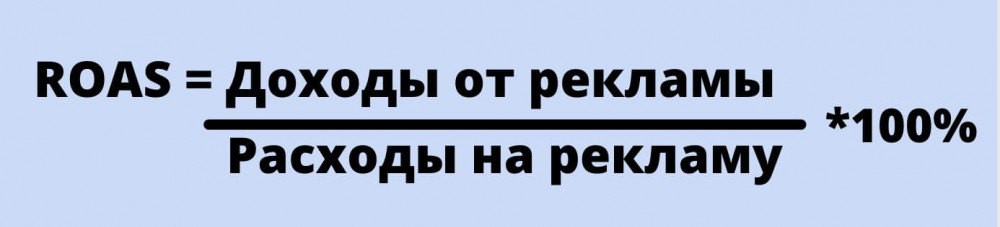
The main purpose of this indicator is to find out whether you are making a profit from using specific advertising tools. The difference between ROI and ROAS is that the ROAS calculation does not take into account all the costs of production and promotion. ROAS may seem useless at first glance, but sometimes there just isn't enough data to calculate ROI. For example, you don't know the cost of goods. Then you can just guess at what ROAS value the investment will pay off or at least go to zero. This is better than acting blindly.
What ROI is considered normal?
Now that we know what ROI is, it is logical to assume that the higher the ROI, the better. But what kind of ROI is considered good? It's impossible to say unequivocally. It all depends on the sphere and your goals. It is only important to know that: ROI greater than 100% says that you have returned every hryvnia invested and are making a profit. ROI of 100% is the break-even point. It means that you have earned exactly as much as you invested. But you do not get profit. ROI less than 100% but greater than zero means that only part of the investment is returned. We recommend that you constantly monitor the indicator and compare it with previous periods. This way you will be able to see which of your actions led to positive dynamics and which ones worsened the situation.
How to increase ROI?
It is logical to assume that to increase ROI we need to either increase revenue or reduce expenses. How to do this. Don't put all your eggs in one basket. Use different ways to attract traffic, monitor the effectiveness of channels and reallocate your advertising budget. There's nothing worse than finding out at the end of the month that your Instagram advertising campaign was a failure, and you didn't use any other channels to attract the audience. Be sure to conduct testing. Which of the two ad options will attract potential customers more? Why guess when you can try both and see for sure. Increase your average check. You've already spent money to attract a customer. So, you can try to increase your revenue from interacting with him. Remind them about you, offer additional products and bonuses on future purchases.
Conclusion
ROI, ROMI and ROAS are important, but not the only indicators for assessing performance. In our projects, we always use not only them, but also take a broader view of the situation. Of course, numbers will never answer the question, "What went wrong?". But sometimes it's still useful to quickly assess the metrics and see if you're heading in the right direction.
- Key Google Local Search Ranking Factors in 2020
- Facts about backlinks you need to know
- Linkbuilding to build a website, and how it helps with promotion
- Help novice sites - a second breath of already existing
- How many links should be on the site, how to place them correctly
- Google promotion, how to become number one
- How do web analytics work?
- Ways to promote your business on the Internet
- "Heavenly place" for your website: Google Top
- How to build Google ads correctly
- SMM - three letters of success for your business on social networks
- Analysis of your website from an SEO point of view
- We conduct website audits. How to make your website popular?
- Let's keep up with the times!
- Growth at GOOGLE
- Conversion and lead generation
- We will save your business
- Determining the target audience
- How to define your market segment in GOOGLE
- Why doesn't SEO work?
- Chto takoye Google Analytics? 27 / 5 000 Результаты перевода Перевод What is Google Analytics?
- Subtleties of advertising campaigns in SMM
- Stages of entering the international market
- Clustering - why group and distribute search queries.
- Internet Advertising Day 2020!
- Is it worth it to buy and sell websites?
- Methods to increase traffic to your site
- Typical mistakes when building a sales department
- What you need to know about ranking on Google Maps?
- AVIF image. The format that blew up the Internet.
- Advanced Marketing Skills
- Hundreds of content ideas for a photographer's blog or website
- Tips for a top manager. The leader's burden and how to cope with it
- SEO specialist on YouTube. What does he do
- Useful extensions for Google Chrome
- AI and updates in Google search
- Submitting indexing requests to Google
- Marketing SEO
- Facebook Groups for SEO Specialists
- What is contextual advertising
- Promotion of a young site
- How to “conjure” traffic to a website
- Effective methods of website promotion
- Website promotion in Ukraine
- How much does it cost to promote a website?
- Professional support for the site
- “Google to the rescue” for website promotion.
- Comprehensive website development and promotion
- Website promotion for low-frequency queries
- Effective website promotion
- Top 10 useful programs for website promotion
- Stages, methods, tools for website promotion
- Website promotion on Instagram
- WEB website promotion
- Website optimization for Google
- Website promotion, tips for beginners
- How to promote a website using articles
- Top 10 in search engines. How to get into the top ten?
- What is internal website optimization
- Automatic website promotion
- Website promotion throughout the country
- Effective website promotion in Krivoy Rog
- Promotion methods on social networks
- Google AdWords is a popular service for business promotion.
- Beautiful home page of the site
- Key Elements for Lead Generation
- Website promotion is like a separate industry.
- Website promotion based on results
- The role of keys in website promotion.
- Movie site: promotion features
- Google site promotion
- Services for SEO website promotion
- Website promotion: how does it happen?
- Online services for website promotion.
- Website promotion in the world's most popular search engine - Google.
- Website creation: where to start for a beginner?
- Blog as a content marketing tool
- Promotion on Google. Promotion on Google
- Website promotion on the Internet is a popular topic today.
- Promotion of an online store: briefly about the main thing
- Website promotion in Google - let's understand what is important and how it works.
- Why is comprehensive internet marketing necessary?
- Content Marketing in Video
- Podcasts and their role in content marketing
- Free Content Marketing Tools
- How SEO works
- Search engine optimization wherever you are
- How to “order a website” correctly?
- Website development
- Real search engine promotion and its cost
- Online courses as a way of content marketing
- The Best Kind of Content Marketing
- Basic methods of website promotion on the Internet.
- The benefits of getting your site to the TOP of Google
- SEO forum - as an effective way to promote websites.
- Services for the explosive growth of the popularity of the Internet resource.
- Algorithm of actions at the beginning of promotion
- Features of promotion of entertainment platforms
- WordPress - tips for website promotion and optimization
- On your own and without a budget: how to promote a website
- Promotion anywhere in the world
- Promotion, what are the stages on the path to success
- Is inexpensive website promotion possible?
- Develop, optimize, promote to the TOP
- High-quality SEO promotion in WordPress
- Are you not ready to spend a lot of money on promotion? No problem!
- We are moving with you to Google Top
- What does website promotion through the social network Facebook look like?
- Methods of creating and promoting websites.
- Fast website promotion with a minimum budget
- Do-it-yourself website promotion
- How to gain speed when promoting a website?
- Optimal and proven ways to promote a website
- Tips for a newbie in promotion
- We create and promote
- Stages of SEO promotion step by step
- AVSEO is your personal assistant in website promotion.
- Website creation from technical specifications to first clients.
- How to improve a website's position in popular search engines?
- "Ambulance" for promotion to the TOP 10
- WEB analytics and website promotion.
- SEO from A to Z. We make a website!
- Free and fast website promotion. Reality or fiction?
- Always one step ahead!
- Key factors influencing the cost of project promotion
- Comprehensive business promotion in Ukraine
- Promotion conditions for reaching the TOP
- Promoting a website to the TOP is an effective channel for attracting customers
- Do-it-yourself website promotion. Instructions for use
- 4 steps to sustainable entry into the TOP
- Making websites with high efficiency
- Your own advanced website is a direct path to a stable income
- Cost-effective website promotion
- From idea to first results
- What is SMM and its main tasks
- Peculiarities of news site promotion
- Professional support for your business
- SEO promotion as an integral part of your website
- Website audit to improve ranking
- In-depth analysis of website content
- What is SEO copywriting
- Search engine optimisation of a website - the key to success
- SEO remote, and no, it's not about steering a spaceship
- Search engine optimisation basics
- Knowing SEO is a real strength!
- Checking text for search engine optimisation
- Get to know your website better with professional SEO analysis
- Mission accomplished, but not quite
- SEO promotion can help you become number one in search engine rankings
- How to start promoting a website from scratch, and how to promote its growth
- Take care of your site overhaul by starting a comprehensive promotion of the site
- Promoting your website with SEO
- The path to thousands of optimisations - SEO audit
- How do you check your website for SEO?
- How to write and optimise SEO text
- SEO audit of the site, why it is necessary
- Seo optimisation of the site
- The main stages of site promotion
- Optimisation for search engines
- Website Promotion
- How do you develop your resource?
- Promotion and promotion of the site in search engines
- Effective site promotion
- What to do after creating a website?
- How do you attract customers?
- Methods of site promotion
- Promotion to the TOP
- Search engine optimisation
- Social media marketing
- A bit about content marketing
- Offline advertising - is it an effective method nowadays
- The basis of search engine optimisation
- Why do you need optimisation?
- How to promote an online shop and increase sales
- Introduction to SEO for beginners
- Why is SEO so important?
- What are SEO articles compared to other types of written content?
- What length should an SEO text be
- SEO for bloggers: how to optimise your articles
- Choosing a platform to introduce a blog
- How to create SEO content
- What is SEO content?
- Types and varieties of SEO content
- How do you develop an SEO content strategy?
- SEO writing
- What is a launch pad?
- Guest blogging, what is it
- Seo promotion for beginners
- Facebook, how to use it for promotion
- Twitter as an SMM tool
- Promotion with the help of bloggers
- Local search engine optimisation
- How should brands be named?
- An important fact about SEO
- Ways to improve the site
- Basic duties of a seo-specialist
- The perfect headline
- Optimisation rules
- The impact of the headline on a site's ranking in search engines
- Title tag: importance for SEO, peculiarities of use, recommendations
- Recommendations for building the right title tag
- How do you set the right goals?
- Semantic core compilation
- Analysis of competitor sites for selected queries
- Website audit for promotion
- Optimisation within the site
- What does SEO include?
- A set of actions on internal and external optimisation
- Basic concepts of search engine optimisation
- How do you make a website profitable?
- Results of search engine optimisation of the site
- You can't build a successful internet business without a SEO!
- Price of SEO promotion
- Website promotion and optimisation
- How does website promotion work?
- What is website promotion?
- The main way of attracting website traffic
- Types of optimisation for search engines
- Internal optimisation
- The basics of external optimisation
- Promotion in search engines
- Can SEO do any harm?
- Stages of site promotion in search
- What work includes promotion in search
- Relevance of search engine promotion
- Growth of positions in search engine results
- Preparing content for self-promotion
- Keyword selection
- Snippets and their role in promotion
- How to quickly promote your site with links
- How do you promote a website on the ever-evolving web?
- Registration in thematic communities
- Images and photographs when designing a website
- Unique text and its features
- 3 SEO taboos
- How to promote a website on the Internet
- Relevance of SMM marketing
- Online store promotion
- Selection of functions for an online store
- Creating an online store design
- contextual advertising
- Search Engine Optimization Methods
- Website content: why is it needed?
- Basic algorithms for Google
- Which is better: SEO or contextual advertising?
- Promotion to the TOP with the help of professionals
- Why website promotion is something that should be entrusted to the best specialists?
- SEO website promotion - quality priority
- Efficiency of making changes to the site
- On-Page Optimization Processes
- Off-page optimization and link building
- SEO knowledge
- SEO pitfalls
- Good SEO Tools
- Website topic: how to adapt to the audience
- General site structure
- Bringing your site to the TOP of search engines
- The importance of the text itself
- How to operate with key queries
- Link environment for website promotion
- Website promotion using traffic
- Why is an SEO audit useful?
- Website promotion strategy
- SEO optimization of website structure
- Key social networking services
- Track your progress
- Planning and publishing
- Social media promotion strategy
- What is Social Media Marketing?
- Effective use of SEO
- Promoting your business online
- How to promote a website on Google?
- What is Google Website Promotion?
- Advertising on social networks
- Incoming links
- SEO methodology
- Key SEO Strategies and Tactics
- Search Engine Optimization for Beginners
- Inside SEO
- Guest Blogging Theme
- Search engine optimization tips
- Advertising on social networks
- Advertising newsletter
- Promotion in social media
- Digital promotion
- Benefits of digital promotion
- Digital promotion, modern perspective
- Best promotion practices
- Promotion efficiency
- How does contextual advertising work?
- Types of contextual advertising
- Definitions in contextual advertising style
- Contextual advertising auction
- Contextual advertising on Google
- 3 Advertising Tips for Small Businesses
- Advertising on social networks
- Advertising your business
- Advertising ideas for everyone
- Why digital promotions are more important than ever
- Press releases for website promotion
- Advertising on social networks
- Contextual advertising on the Internet. Digital agencies of the city of Sumy
- Media or banner advertising in Dnepr
- Site position in search results in Lviv
- What do social networks provide for business? Increase in traffic
- The main problems of marketing in social networks. How much does online promotion cost?
- How to start a social media promotion campaign?
- How to create a content plan? Website promotion in Moscow
- Promotion in global social networks - SMM
- Why is website promotion in Kyiv important for any business?
- What is a marketing strategy for website promotion in Ukraine?
- SEO marketing, what is it?
- How to understand the success of a website? What is website promotion?
- Strengthen your website with SEO. How much does it cost to promote a website in Ukraine?
- SEO techniques. Website promotion in Kharkov
- What should know SEO specialist? How to effectively promote a website in Kiev?
- Promotion of the site on the Internet. Promotion from SEO company in Odessa
- The goals of promoting the site in Kiev in the World Wide Web
- Why is it so important to promote your business online in Kharkov?
- SEO and web presence. How to get on the first page of Google?
- What makes a site or account good in the eyes of Google? How much does it cost to promote in Kiev?
- Search engines and their nature. How to promote a website for free?
- Website promotion with the help of bloggers
- Rise in Google search results using content on your own
- Text as a tool for site promotion in Dnepropetrovsk
- Features of website promotion in Ukraine
- Stages of site promotion. Cost of promotion in Kiev
- Types of SEO promotion
- Promoting your website with SEO, how does it happen?
- Networking as an important way of promotion
- E-mail as an element of site promotion. How much does it cost to promote on the Internet?
- 5 useful tips for online promotion
- Website promotion in Google and smart SEO
- Speed up website promotion in Kiev with the help of social networks
- Proper promotion of the site
- Promotion with traffic
- Links as an element of promotion and optimisation
- Why promote your website?
- How to effectively promote the site in Donetsk?
- Search engine promotion plan
- How advertising is combined with SEO. Spread the site in Volgograd inexpensively and effectively
- Basics for promotion
- Audience interaction
- Fast website promotion with maximum effect
- What does it take to promote a website?
- Google site promotion in 2021, saving points
- What will prevent you from promoting on Google?
- Promotion in Google search engine on your own
- Writing content for promotion
- Search engine optimisation and promotion
- A launching pad for promotion
- Digital marketing and its types
- How does digital marketing work?
- The essence of digital marketing, why do you need it?
- Why contact a digital agency?
- What is digital marketing?
- Digital marketing channels
- Basic tools of digital marketing
- How to choose digital marketing tools, channels and resources
- Courses on external and internal optimisation of the site
- Linkbuilding training courses
- Required knowledge of Google Ads
- SMM targeting courses from AVSEO
- What is online advertising, how to run an online advert?
- SEO training - promotion courses
- Market forecasting
- SEO optimisation courses
- Special promotion courses
- Learn how to write SEO texts
- Why SEO is not taught in universities
- Basic education for SEO
- How long does it take to learn SEO on your own?
- SEO courses - learn, learn and learn
- Is it possible to find training in search engine optimization in universities?
- Learning more about SEO
- How do you become a SEO expert?
- Google's interesting features
- Learn about technical SEO
- Content strategy for search engine optimisation
- Tips for choosing hosting and how it affects SEO
- Site Analysis
- Proper promotion of the site
- How do you optimise a website?
- How to get to the top of Google search results in 2021
- Promotion on social networks
- What is contextual advertising?
- How to promote a site?
- Where to start website promotion?
- Website analysis
- What is SEO analysis?
- Who is a targetologist?
- What are Instagram Ads?
- Promotion on Facebook
- Facebook Advertising
- What is the target audience?
- Promotion courses from AVSEO
- How to learn to promote a website?
- Promoting your website
- Why is it so important to promote your business online?
- Is it possible to learn SEO?
- High-quality promotion on the Internet
- 5 Ways to Promote Your Restaurant on Google
- Attract more customers to your restaurant on Google My Business
- How to get your restaurant noticed on Google?
- Methods of promotion on Instagram
- The Best SEO Tools for the Job
- How to promote a website?
- How does SMM help online promotion?
- Optimized texts for promotion
- Comprehensive website promotion
- 15 main trends in banner advertising 2021 - 2022
- Google Ads will launch experiments for YouTube video ads
- Podcast advertising spending in the US will exceed $1 billion by 2021
- Google released a video about search advertising
- The US media advertising market will grow by 70% by 2021 and 80% by 2022
- Red Apple International Advertising Festival 2021
- Google Ads is testing a new "Smart Match"
- Verification of advertisers in Google Ads
- Google Analytics introduced reports on social traffic
- How Google will target ads after opting out of cookies
- The most popular types of online advertising
- Is it possible to promote a website yourself?
- Digital Marketing on Social Media
- How to promote your Facebook page?
- Online store promotion
- Restaurant promotion on the Internet
- How to Use Facebook to Promote Your Construction Company
- Best Marketing Strategies
- Construction store promotion
- Advertising to promote your business
- How does Google advertising work?
- How does targeted advertising work?
- How to promote a car service on the Internet?
- Marketing ideas for car dealerships
- Car service promotion on the Internet
- How to promote a service station?
- SEO website analysis - why is it needed?
- What is link building?
- How to improve the quality of links?
- What is the content for?
- How to quickly learn SEO?
- What does a promotion agency do?
- How to promote yourself on Google?
- Social Media Marketing
- Restaurant Promotion Tips
- Online store promotion plan
- Features of website promotion
- How to be noticed on the Internet?
- Comprehensive website promotion from AVSEO
- Audit for your website
- Promotion tips from AVSEO
- Promotions in the tourism industry
- Effective ways to promote a travel agency
- SEO for travel websites and blogs
- Link building strategy
- Website promotion, what it looks like from the inside
- Websites also need technical inspection
- What is SEO copywriting?
- Promoting a restaurant on GOOGLE
- Promotion through advertising
- How to promote a new website?
- How to become an expert in SEO promotion?
- Website Marketing Strategy
- Programs for SEO specialist
- Link building is...
- 6 Current Automotive Marketing Strategies
- A Beginner's Guide to Advertising on Amazon
- Comprehensive website promotion
- SEO text
- Debunking 5 Myths About Selling on Amazon
- What is advertising on Amazon?
- Best Selling Products on Amazon in 2021
- How to make a product famous on Amazon
- Why is Amazon SEO the last thing sellers do?
- SEO website audit to protect your website
- External website optimization will give any website a second chance
- Why is keyword research so important?
- Benefits of advertising on Google
- What is a teaser advertising campaign?
- Is it possible to promote a website yourself?
- Internet promotion opportunities
- Website optimization - the key to promotion success?
- How social networks support the Ukrainian team at the 2020 Olympic Games
- The least in the history of Ukraine was selected for the Olympics due to underfunding of sports
- What are the expectations of the Ukrainian team at the 2020 Olympics?
- Olympics 2020. Medal count
- How to get to the TOP?
- Types of targeted advertising
- Promotion on Facebook
- Online advertising opportunities
- Alcoholic drinks: advertising on Google
- Creation of an adapted website
- Actions to bring your site to the TOP
- Development of tourism on the Internet
- Website creation and SEO promotion
- Website creation and store promotion
- The purpose of internet marketing
- Promoting a restaurant on Google My Business
- What do they Google in Ukraine?
- The influence of the title on the site’s place in search engines
- SEO copywriting
- TOP 5 most effective platforms for making transactions
- Main directions of promotion
- What should you pay attention to when promoting a website?
- Cosmetology exhibition Expo 2021
- Kosino thermal springs: relaxation in Hungarian style
- How to promote a site?
- Service station optimization
- Restaurant promotion on Google
- Review of Diamond De Luxe Hotel Side
- Search advertising: how to show yourself to the masses
- How does audience acquisition work with search advertising?
- Attracting potential leads to business has become accessible to everyone
- Sales Funnel for Online Business
- End-to-end analytics and how it works
- Customer value or LTV in business
- Audience retention on the website
- Why you need ROI and how to measure it
- Ex-EBay CEO invested in geothermal energy with Bill Gates' foundation
- The most popular Google queries in Ukraine in 2021
- Meta will remove the tool that links digital advertising and offline sales
- Who is a marketer and how marketing can help your business
- Website analytics can understand what a resource needs
- Monitoring competitors in the Google ranking ring
- Consultations on running and promoting business
- Business strategy development
- Promotion of medical institutions on Google
- LOB 2022 - for those who want to achieve more
- Recognized Expert Analyst, Arthur STRUNGAR | Digital domain
- Ukrainian Marketing Forum 2025 in Kyiv
- Synergy of Trends: Journey into the World of Rejuvenation with EMET and AVSEO
- Effective cooperation between AVSEO and eSputnik: The path to digital success
- Prospects for Ukraine: Leaders' Discussions
- AVSEO at Derma Congress 2024: Experience and Innovation in the World of Cosmetology
- AVSEO's participation in the ISLAB Laboratory Congress at Rixos Sungate
- AVSEO at Ukrainian Beauty Forum 6.0: Partnership for Beauty and Business
- Ukrainian Beauty Forum 6.0: Presentation of Clients and Speech by Nadezhda Moskovchenko
- Expert Meeting: Discussing the Future of Ukraine, Politics and Marketing
- Ukrainian Hair Forum 2024: How AVSEO Supports the Professional Growth of Hairdressers-Colourists
- Immersing in Digital Marketing: The Path to Success
- Business Coordination in Digital Marketing: Creating Conditions for Successful Development
- Competitor Business Analysis: How to Make Your Business Successful
- 5 steps to a successful brand
- Space Odyssey: The Future of Human Spaceflight
- The Future of Telegram
- AVSEO Launches Digital Marketing Courses: Master Modern Strategies for Your Business
- 10 Exciting South Korean Startups to Watch
- How Palantir is Driving Growth in Defense Startups with the First Breakfast Program
- Apple Event 2024: iPhone 16, Apple Intelligence, AirPods 4, and More
- Top Nuclear Fusion Startups: Investing in the Future of Energy
- First Private Spacewalk: Polaris Dawn and SpaceX Suits
- A Journey Through the Crypto Jungle at Korea Blockchain Week
- Oprah Winfrey on Artificial Intelligence: Altman, Deepfakes, and the Future of Medicine
- The Future of Game Development: How GenAI is Transforming the Industry
- VPN: Everything You Need to Know
- The Future of Smart Glasses: Privacy Concerns and AI Integration
- Microsoft Under Scrutiny: Antitrust Oversight and Artificial Intelligence
- Beta Technologies Unveils First Electric Passenger Aircraft
- Elon Musk Introduces Tesla Robovan: The Biggest Surprise of the We, Robot Event
- Synthetic Data: A New Era of Artificial Intelligence
- Official Definition of Open Source AI
- What are world models in AI, and why are they important?
- How a Rooftop Installation Helped Transaera Raise $8.2 Million in Funding
- Google Cloud will make multi-factor authentication mandatory in 2025
- AI Safety Advocates Urge Caution in Technology Development
- Review of Apple’s 16-inch MacBook Pro with M4 Pro Chip: Desktop-Level Power in a Compact Laptop
- How Conflixis Uses AI to Combat Corruption in Hospitals
- December 21st Seminar: Immersion into Digital Marketing and Branding — Steps to a Successful Business
- Behind the Scenes of OpenAI: Early Days Through the Lens of Musk, Altman, and Sutskever
- Factiverse: Norwegian Startup Combats Disinformation with AI
ANY QUESTIONS?